How Much Does a Salvage Title Reduce Value? Real Data by Damage Type
Quick answer
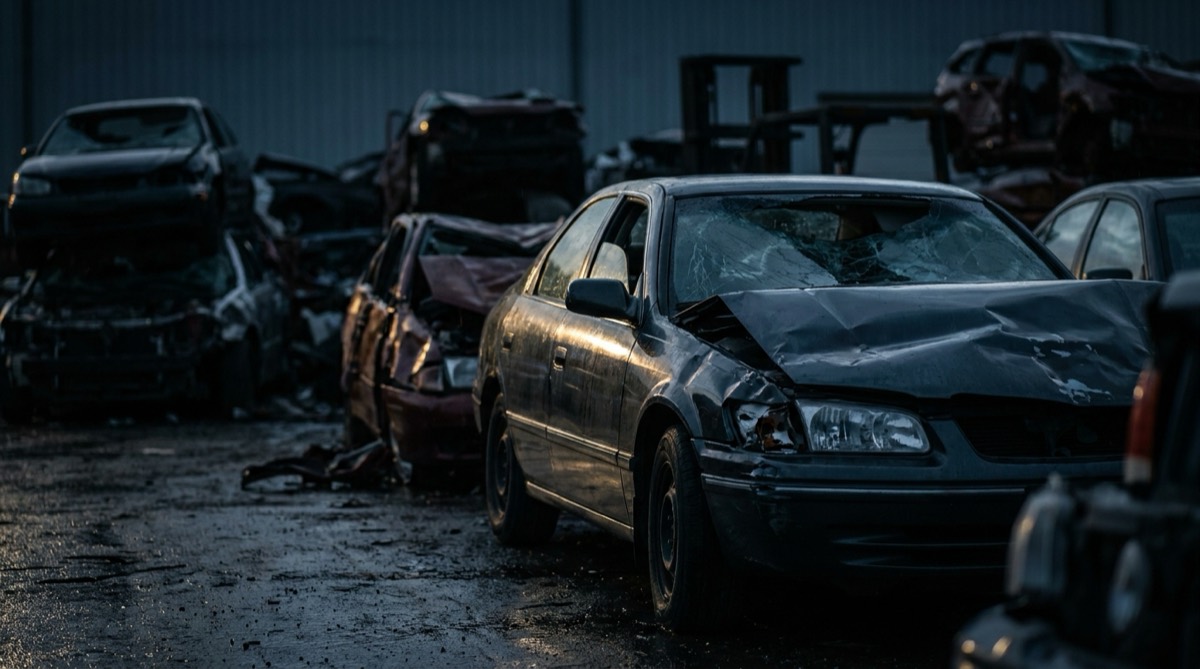
A salvage title typically cuts a car's value 30–50% below clean-title retail; a repaired, re-inspected rebuilt title recovers some of that, landing 20–40% below clean. The exact discount depends on damage type (flood and frame damage hurt most) and your local market.
In this article (10 sections)
- The Industry Consensus Range
- What "Damage Severity" Actually Means
- State Acceptance Multipliers
- How Vehicle Class Affects the Discount
- Two Worked Examples
- What Drives Discounts Wider Than the Published Range
- What Drives Discounts Tighter Than the Published Range
- Why CARFAX Reports Permanently Reduce Value
- How to Estimate Your Specific Discount
- Bottom Line
The short answer: 30% to 50% on average, with real range from 25% (best-case light-damage rebuilt in salvage-friendly states) to 65% (heavy-damage salvage in branded-title-averse markets). This guide gives you the long answer — what drives the discount, how to estimate your specific situation, and where the published ranges break down in practice.
For an interactive estimate, use the Salvage Car Value Calculator.
LocalIQ™ market snapshot
What top flip candidates are asking right now
| Model | Listings | Median asking price |
|---|---|---|
| GMC Sierra 1500 | 523 | $29,995 |
| Chevrolet Silverado 1500 | 1,367 | $25,000 |
| Toyota Tacoma | 1,164 | $27,516 |
| Ford F-150 | 2,592 | $23,995 |
| Ram 1500 | 992 | $22,900 |
| Ford Mustang | 571 | $20,995 |
| Jeep Wrangler | 548 | $25,089 |
| Chevrolet 1500 | 539 | $20,900 |
LocalIQ™ asking-price median · 8,296 listings · updated every 6 hours. National, last 8 model years; asking price is your resale ceiling, not a promised sale price.
The Industry Consensus Range
Based on insurance industry data (NICB), Kelley Blue Book research, and real auction-to-retail transaction tracking:
| Title Type | Light Damage | Moderate Damage | Heavy Damage |
|---|---|---|---|
| Salvage | 30%-40% off | 40%-50% off | 50%-65% off |
| Rebuilt | 20%-28% off | 28%-35% off | 35%-45% off |
These are starting ranges. Adjust based on the variables below.
What "Damage Severity" Actually Means
The published discount ranges assume specific damage profiles. Here is what each tier looks like in practice:
Light damage
Cosmetic only. No frame work. Airbags intact. Mechanical untouched.
Examples: hail damage that totaled an older car, theft recovery with cosmetic vandalism, minor parking-lot collision where insurance totaled due to vehicle age.
These are the most resaleable salvage cars. The "damage" is essentially invisible to a future buyer, but the title brand remains permanent.
Moderate damage
Front-end collision with airbag deployment. Body panel replacement. Possible bumper reinforcement or radiator support work. No frame straightening.
Most common Copart and IAAI inventory. Repair scope is well-understood, parts availability is good, professional rebuilders absorb these readily.
Heavy damage
Frame straightening required. Roof damage. Pillar damage. Flood. Fire. Severe rear-end collisions on unibody vehicles.
Resale buyers are skeptical of heavy-damage rebuilds even when properly repaired. Frame inspections show prior straightening regardless of cosmetic quality. The market discount expands accordingly.
State Acceptance Multipliers
State-level acceptance moves the discount range by 5-10 percentage points in either direction.
Higher acceptance (smaller effective discount)
- Texas, Florida, Georgia
- Most of the Midwest (OK, KS, MO, IA)
- Mountain West (AZ, NM, NV, UT)
In these markets, a rebuilt-title vehicle might sell at 75-80% of clean retail (20-25% discount) rather than the 30-35% national average.
Lower acceptance (larger effective discount)
- California, Oregon, Washington
- New England (CT, MA, NY)
- Hawaii (insurance is hard)
In these markets, the same vehicle might sell at 60-65% of clean retail (35-40% discount) — and take longer to move.
The mechanism is buyer skepticism, plus financing and insurance availability. Big banks are less willing to finance branded titles in cautious markets, which shrinks the buyer pool and forces sellers to discount.
How Vehicle Class Affects the Discount
Different vehicle segments tolerate branded titles differently.
Smaller discount (15-30%)
- Trucks and SUVs in working-class markets (these are bought to use, not flip)
- Older sedans being sold to first-time car buyers on a budget
- Pickups in agricultural areas
- Cargo vans for small businesses
Average discount (30-45%)
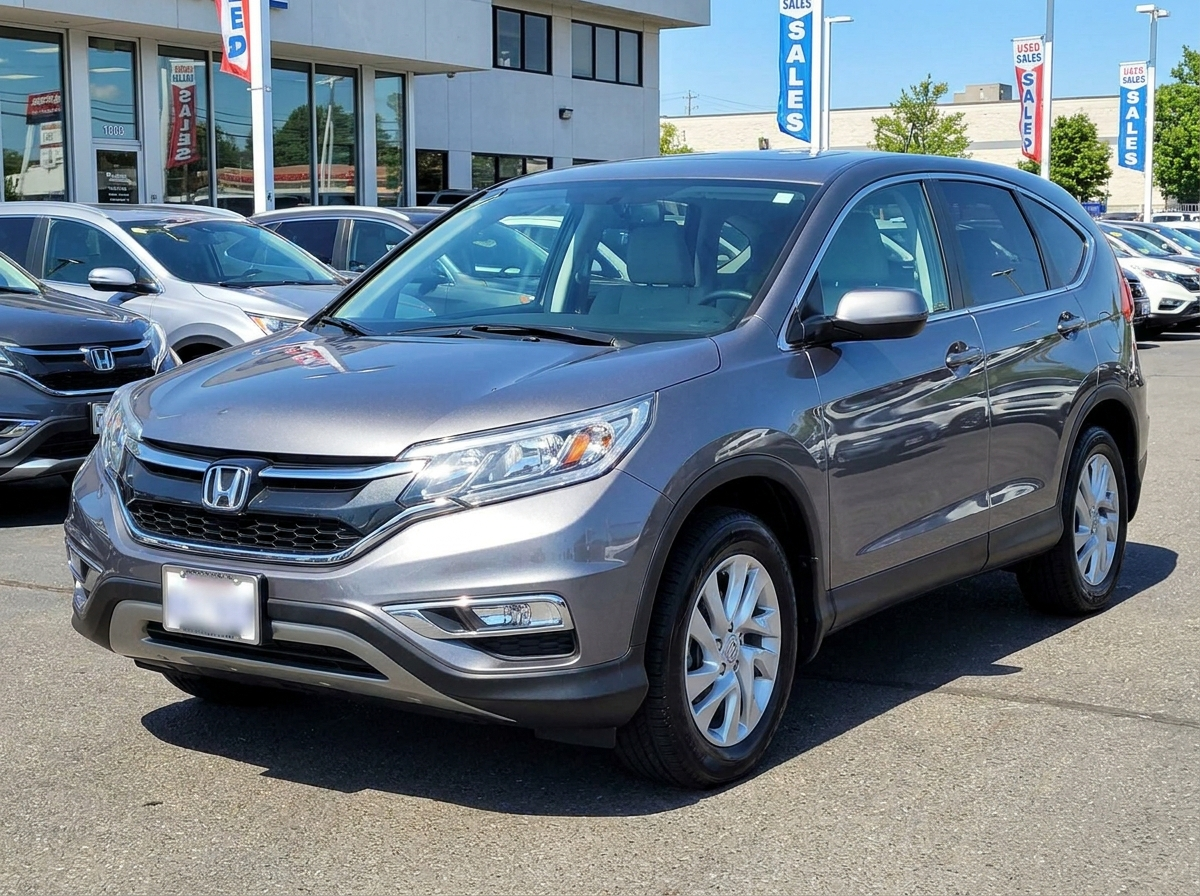
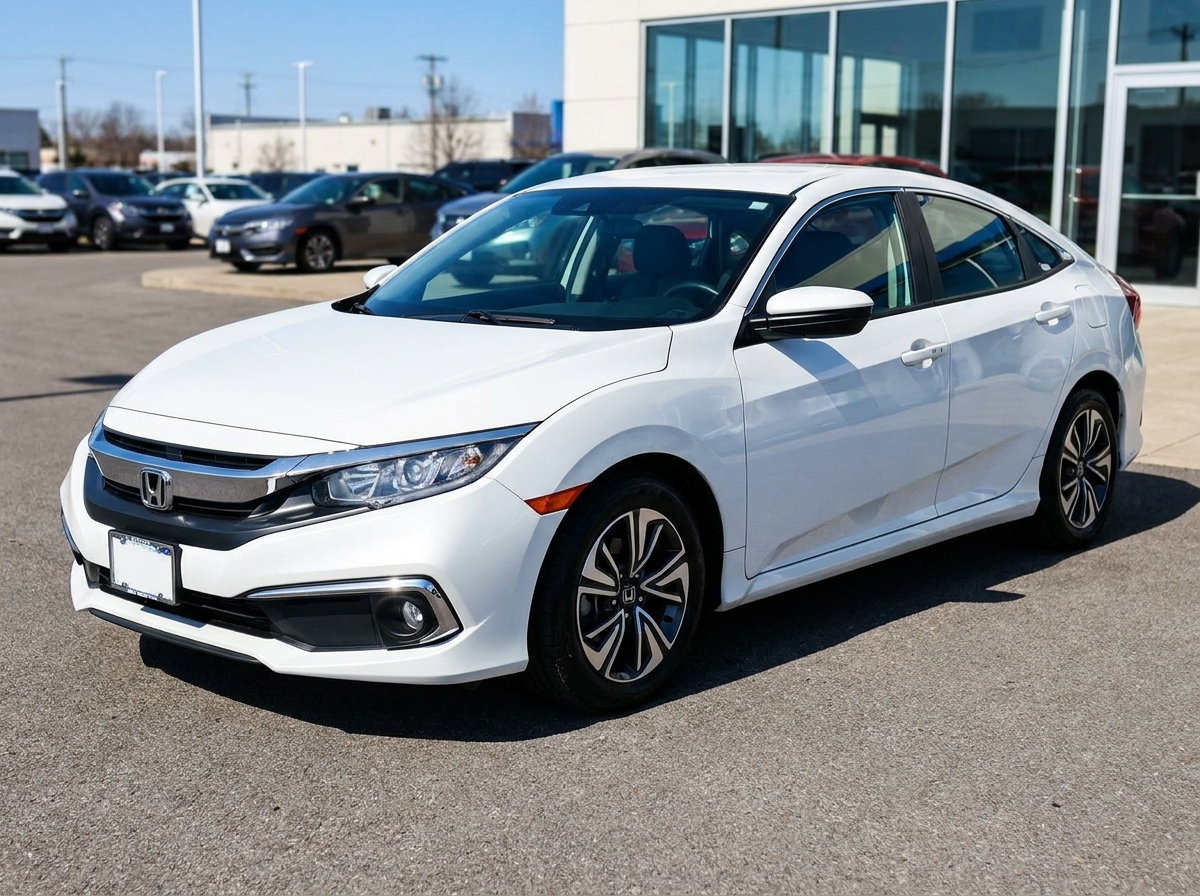
- Mainstream sedans (Camry, Accord, Civic, Corolla)
- Compact SUVs (RAV4, CR-V, Rogue)
- Mid-tier crossovers
Larger discount (40-55%)
- Luxury sedans (BMW 3-series, Mercedes C-class, Lexus IS)
- Performance cars (Mustang GT, Camaro SS)
- Recent-model premium SUVs
The pattern: utility vehicles bought for use absorb branded titles. Aspirational vehicles bought for status get discounted hard because the brand stigma defeats the aspiration.
Two Worked Examples
Example 1: Light-damage rebuilt Camry in Texas
- Clean retail: $16,000
- Damage: Light (cosmetic theft recovery)
- Title: Rebuilt
- State: Texas (high acceptance)
- Industry range: 20-28% off
- Real-world adjustment for TX + utility vehicle class: closer to 20-22% off
- Estimated resale: $12,500 - $12,800
Example 2: Heavy-damage salvage BMW in California
- Clean retail: $32,000
- Damage: Heavy (front-end frame, airbags, structural)
- Title: Salvage (not yet rebuilt)
- State: California (low acceptance)
- Industry range: 50-65% off
- Real-world adjustment for CA + luxury class: closer to 60-65% off
- Estimated resale: $11,200 - $12,800 (assuming successfully rebuilt and re-inspected)
The Camry generates real margin. The BMW probably does not, despite the higher absolute discount, because CA's rebuilt inspection is strict and the buyer pool is small.
Estimate the discount range for any vehicle.
Open the Salvage Value CalculatorWhat Drives Discounts Wider Than the Published Range
Three signals predict a worse-than-typical discount:
1. Photo evidence of unaddressed structural damage
If the lot photos show frame damage, suspension misalignment, or unfixed structural elements, future inspectors will see the same evidence. Discount widens.
2. Multiple title brands
A "salvage AND flood" or "salvage AND theft recovery" combo brand has a worse market reception than either alone. CARFAX will list all brands; buyers see them; trust collapses.
3. Out-of-state title chain
A car titled salvage in one state, rebuilt in another, retitled in a third raises suspicion. Buyers and lenders read this as "someone shopped around for a lenient inspection."
What Drives Discounts Tighter Than the Published Range
Three signals that compress the discount:
1. Professional rebuild documentation
Photo log of every repair step, OEM parts receipts, alignment paperwork, body shop invoice. A well-documented rebuild sells faster and closer to clean retail.
2. Strong utility narrative
Truck for work, van for trades, family SUV for in-state daily driving. Buyers focused on function pay less attention to brand.
3. State with cleanest inspection regime
A "rebuilt" title from Texas or Kentucky reads better to other-state buyers than one from a state with lax inspections.
Why CARFAX Reports Permanently Reduce Value
Even after the car is repaired and re-titled, CARFAX and AutoCheck will show "salvage title issued" and "rebuilt title issued" events forever. They never expire. They appear at the top of every vehicle history report.
This is permanent depreciation. The discount does not shrink over time the way mileage-based depreciation does.
The only path around this is private-party selling to buyers who do not run CARFAX. That market exists (cash buyers, family-and-friends, certain export markets) but is meaningfully smaller than the full retail pool.
How to Estimate Your Specific Discount
Five steps:
- Get the clean-retail anchor. Use CarFlipIQ local asking prices for an accurate market median, not a national KBB number.
- Classify damage severity honestly (light/moderate/heavy).
- Apply state acceptance adjustment (+/- 5-10%).
- Apply vehicle-class adjustment (utility vs aspirational).
- Estimate days-on-market at your target price. If DOM is 60+ days, discount further or accept the velocity tax.
Or just use the Salvage Car Value Calculator — it does steps 2-4 instantly.
Bottom Line
Salvage and rebuilt titles reduce value by 30-50% in most cases, with real range from 20% (best case) to 65% (worst case). The exact number depends on damage severity, state market acceptance, vehicle class, and documentation quality. Apply ranges from industry research as a starting point, then adjust based on local data — which is exactly where CarFlipIQ's per-ZIP comp tracking lives.
For an interactive estimate: Salvage Car Value Calculator and Rebuilt Title Value Calculator.
See real branded-title prices in your market.
CarFlipIQ tracks salvage and rebuilt resale prices by ZIP across all 50 states. National averages mislead. Local data wins.
Frequently Asked Questions
How much does a salvage title reduce a car's value?
Typically 30-50% below clean-title retail, depending on damage severity and how well it was repaired. A rebuilt title (repaired and re-inspected) recovers some of that, usually landing 20-40% below clean.
Does the discount depend on damage type?
Yes. Light cosmetic damage discounts less than structural, flood, or fire damage - flood especially scares buyers and widens the gap. Buyers also pay more for documented, professional repairs.
Will a salvage title car ever be worth clean-title money?
No - the brand stays on the title permanently and caps resale value for the life of the car. Price that permanent discount in before you buy, or the 'cheap' salvage car isn't actually cheap.
How we get these numbers
Market figures come from LocalIQ™, CarFlipIQ's index of asking prices on local used-car listings. We report medians rather than averages, so a few outlier listings can't drag the number, and a model only appears once it has at least 10 listings behind it. Asking prices tell you what the market is asking, not what a car will sell for — treat them as your resale ceiling.
Copart fees + local resale prices by city
Check the resale before you bid
Look up any year, make and model against LocalIQ™ asking prices in your market. 5 free car analyses, no credit card.