Best Cars to Flip in 2026: Data-Driven Picks From 2M+ Listings
Quick answer
The best cars to flip in 2026 share three measurable traits: days-on-market under ~25 (sells fast), a real margin between acquisition and local retail, and consistent demand across regions. The exact winners shift by market, so verify local sell-speed and price before buying.
In this article (15 sections)
- How We Picked
- 1. Toyota Camry (2015-2020)
- 2. Honda Accord (2014-2020)
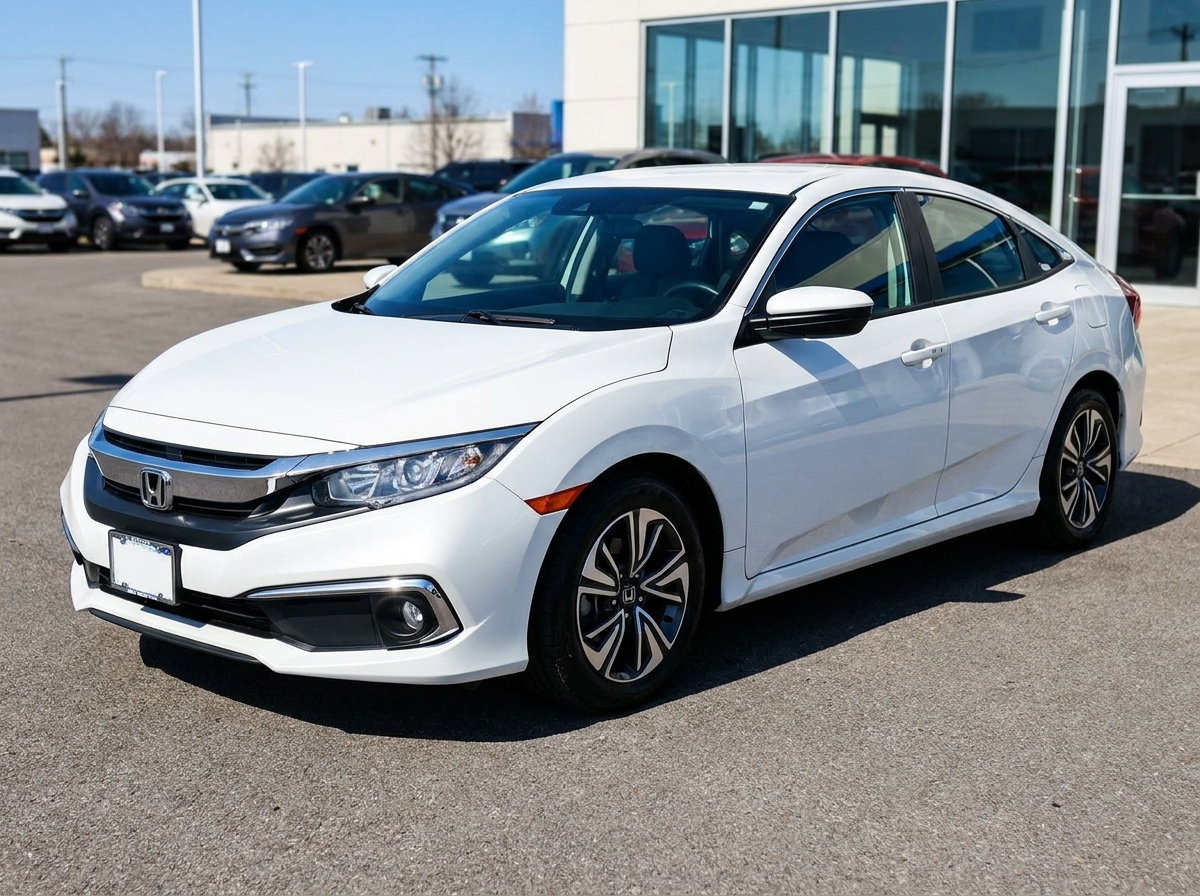
- 3. Honda Civic (2016-2021)
- 4. Toyota RAV4 (2016-2020)
- 5. Toyota Tacoma (2016-2021)
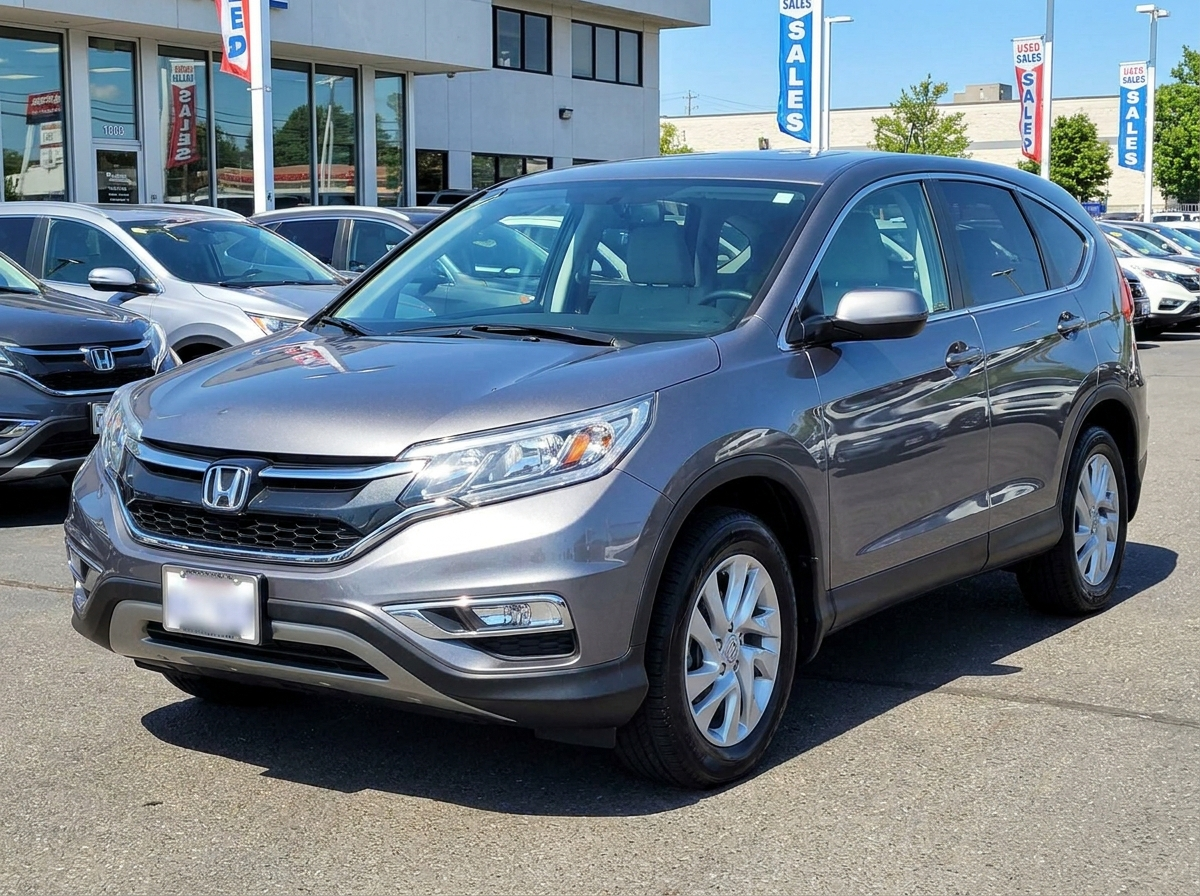
- 6. Honda CR-V (2017-2021)
- 7. Ford F-150 (2018-2021)
- 8. Nissan Altima (2016-2020)
- 9. Chevrolet Equinox (2018-2021)
- 10. Subaru Outback (2015-2020)
- What Did NOT Make the List (And Why)
- The Real Filter: Local Velocity
- Pricing Strategy by Tier
- Bottom Line
Most "best cars to flip" articles are recycled opinions. This one is built from 463K+ active Facebook Marketplace listings (as of writing) and 734,000+ price history records across all 50 states. The picks below all share three traits we can measure: median days-on-market under 25, sustained $1,500+ margin potential between auction and retail, and consistent demand across regional sub-markets.
For live local data on any of these models, start with CarFlipIQ.
LocalIQ™ market snapshot
What top flip candidates are asking right now
| Model | Listings | Median asking price |
|---|---|---|
| GMC Sierra 1500 | 523 | $29,995 |
| Chevrolet Silverado 1500 | 1,367 | $25,000 |
| Toyota Tacoma | 1,164 | $27,516 |
| Ford F-150 | 2,592 | $23,995 |
| Ram 1500 | 992 | $22,900 |
| Ford Mustang | 571 | $20,995 |
| Jeep Wrangler | 548 | $25,089 |
| Chevrolet 1500 | 539 | $20,900 |
LocalIQ™ asking-price median · 8,296 listings · updated every 6 hours. National, last 8 model years; asking price is your resale ceiling, not a promised sale price.
How We Picked
Three quantitative filters:
- Days-on-market under 25 at typical asking prices — fast enough that capital cycles 12+ times per year
- Sustained $1,500+ margin between auction acquisition cost and median retail across the model's last 12 months
- Demand in 30+ states — not a regional fluke
We also excluded vehicles where the average flipper has structural disadvantages (specialty inventory, exotic parts, dealer-only auction access). The list below is for the retail and small-dealer flipper buying at Copart, IAAI, or via private acquisition.
1. Toyota Camry (2015-2020)
Why it works: highest-volume sedan in the US, parts everywhere, buyers in every market, financing approved by every lender. The Camry is the workhorse of the flip business.
- Median days-on-market: 12-18
- Typical margin: $1,800-$3,200
- Best years: 2018-2020 (post-major-refresh design, before pricing softened)
- Common acquisition: Copart light front-end damage, IAAI theft recovery
Avoid: V6 models with the older 2GR-FE engine and timing chain wear over 100K miles. Repair cost is higher and resale buyers know it.
2. Honda Accord (2014-2020)
Why it works: Camry's closest rival, similar demand profile, slightly tighter margins but faster turn in some markets.
- Median days-on-market: 14-21
- Typical margin: $1,500-$2,800
- Best years: 2016-2018 (mid-cycle reliability sweet spot)
- Common acquisition: Copart front-end and side impact
Avoid: 2008-2012 V6 with transmission issues. Even at deep discounts, buyer skepticism is real.
3. Honda Civic (2016-2021)
Why it works: massive demand from first-time buyers, college students, and budget-conscious shoppers. Parts and labor are cheap. Buyer pool is huge.
- Median days-on-market: 10-16
- Typical margin: $1,500-$2,500
- Best years: 2018-2021 (tenth-gen reliability is documented)
- Common acquisition: Copart cosmetic damage, theft recovery
Avoid: 2016-2017 1.5T with oil dilution issues — buyers in cold-weather markets know about this and discount accordingly.
4. Toyota RAV4 (2016-2020)
Why it works: SUV demand is structurally higher than sedan demand in 2026. The RAV4 is the volume leader. Strong margins driven by buyer willingness to stretch for SUVs.
- Median days-on-market: 14-22
- Typical margin: $2,200-$3,800
- Best years: 2019-2020 (current-gen redesign, modern interior)
- Common acquisition: IAAI insurance lots, Copart front-end
Avoid: hybrid models from 2019-2020 with high-voltage battery issues outside warranty.
5. Toyota Tacoma (2016-2021)
Why it works: pickups hold value better than any other segment. Tacomas in particular have a cult buyer base willing to pay premiums even for higher-mileage examples. Slow depreciation = sustainable margin.
- Median days-on-market: 18-30 (slower than sedans but compensated by higher margin)
- Typical margin: $3,000-$6,000
- Best years: 2019-2021 (refreshed interior, infotainment)
- Common acquisition: Manheim, ADESA, Copart heavy-damage rebuilds
Avoid: TRD Pro and limited-edition trims unless you understand the regional collector market — pricing is dispersed and volume is low.
6. Honda CR-V (2017-2021)
Why it works: same SUV demand story as the RAV4 but slightly cheaper to buy and faster to flip in mainstream markets.
- Median days-on-market: 12-20
- Typical margin: $2,000-$3,500
- Best years: 2018-2020
- Common acquisition: IAAI front-end, Copart cosmetic
Avoid: 1.5T with oil dilution (same issue as Civic 1.5T).
7. Ford F-150 (2018-2021)
Why it works: best-selling truck in the US. Massive aftermarket parts ecosystem. Buyer demand spans markets from suburban commuter to working contractor.
- Median days-on-market: 16-25
- Typical margin: $2,500-$5,000
- Best years: 2018-2020 (post-aluminum-body learning curve resolved)
- Common acquisition: Copart, IAAI, and dealer trade-in private acquisition
Avoid: 2.7L EcoBoost with timing chain issues over 80K miles unless you can verify maintenance history.
8. Nissan Altima (2016-2020)
Why it works: high auction volume (Nissan tends to total cars faster than competitors). Lower acquisition prices than Camry/Accord with comparable retail demand in mid-market.
- Median days-on-market: 18-28
- Typical margin: $1,800-$3,000
- Best years: 2019-2020 (post-redesign)
- Common acquisition: insurance auctions in high volume
Avoid: CVT transmission concerns on 2013-2017 models — buyer skepticism is widespread.
9. Chevrolet Equinox (2018-2021)
Why it works: mid-tier SUV with consistent volume and reasonable margins. Less aspirational than Toyota/Honda but the buyer pool is large and the financing terms are favorable.
- Median days-on-market: 18-26
- Typical margin: $1,800-$3,200
- Best years: 2018-2020
- Common acquisition: insurance auctions, fleet returns
Avoid: 1.5T engine concerns; many buyers favor 2.0T trim.
10. Subaru Outback (2015-2020)
Why it works: regional cult demand in the Pacific Northwest, Mountain West, New England. Limited national demand, but where buyers exist, they pay above retail averages.
- Median days-on-market: 14-22 (in target regions only — 35+ in non-target regions)
- Typical margin: $2,000-$4,000
- Best years: 2018-2020
- Common acquisition: Copart, IAAI moderate damage
Avoid: head gasket issues on older 4-cyl models. Pre-2015 inventory has reputation problems.
See live margins and DOM for any of these models in your market.
Analyze 5 Cars FreeWhat Did NOT Make the List (And Why)
Vehicles that look profitable on paper but consistently disappoint:
European luxury (BMW, Mercedes, Audi)
Acquisition discounts look fat. Repair costs are 2-3x mainstream brands. Buyer pool wants warranty and clean history; salvage/rebuilt heavily discounted. Total return rarely beats Camry economics for the labor invested.
Hybrid SUVs (RAV4 Hybrid, CR-V Hybrid)
Battery replacement costs ($3,000-$8,000) sit outside warranty for older models. Buyer skepticism is rational. Margins look fine until a sale falls through over battery questions.
Compact sports cars (Civic Si, Miata, BRZ)
Niche demand, limited financing access, buyers are sophisticated and negotiate hard. Margin per car is OK but velocity is terrible.
Older domestic sedans (Malibu, Fusion, 200)
Aggressive depreciation, financing dry-up on older units, slow resale in non-budget markets.
The Real Filter: Local Velocity
National data identifies the candidates. Local data picks the winners. A Camry might be a 14-day flip in Houston and a 32-day flip in Portland. Same car, same condition, same asking price. Velocity is half the math.
CarFlipIQ surfaces days-on-market by make, model, and ZIP. Before buying any vehicle on this list, verify local velocity matches the national pattern.
See fastest selling used cars for flippers for a velocity-focused ranking.
Pricing Strategy by Tier
Three pricing approaches for cars on this list:
Quick-turn (priority on velocity)
List 3-5% below local median sold price. Trades margin per car for cycle velocity. Best for high-volume operators.
Median (balance)
List at local median. Should sell within typical DOM band. Standard approach for most flippers.
Patient premium
List 3-5% above median for high-demand units (low miles, clean title, recent service records). Accept longer DOM in exchange for higher per-car margin.
Bottom Line
The best cars to flip in 2026 are the same ones that worked in 2024 and 2025 with some refresh: Camry, Accord, Civic, RAV4, Tacoma, CR-V, F-150, Altima, Equinox, Outback. The list is short on purpose — these have the demand depth, parts availability, and financing access that turn auction inventory into reliable margin.
The variable that decides which of these works for YOU is local velocity. Use CarFlipIQ's free local comps to verify the model fits your market before bidding.
For the auction-side math: Copart Fee Calculator. For tax-adjusted resale targets: Vehicle Sales Tax Calculator.
Skip the listicle. See live data for any model in your ZIP.
CarFlipIQ tracks 2M+ listings, real DOM, and median margins across all 50 states. Free to start.
Frequently Asked Questions
What makes a car good to flip in 2026?
Three measurable traits: days-on-market under ~25 (sells fast), a real margin between acquisition and local retail, and consistent demand across regional markets - not a one-off price spike.
How much can you make flipping cars?
Typical per-car margins run $1,000-$3,000, higher on niche vehicles. But annualized return depends on velocity - a $2,000 flip in 20 days beats a $3,000 flip in 120 days because your capital recycles more often.
Where do I find the best cars to flip?
Salvage auctions (Copart/IAAI) for repair-and-flip, dealer wholesale (Manheim/ADESA) for clean retail-ready cars, and private-party listings for underpriced finds. Check local resale before buying anywhere.
How we get these numbers
Market figures come from LocalIQ™, CarFlipIQ's index of asking prices on local used-car listings. We report medians rather than averages, so a few outlier listings can't drag the number, and a model only appears once it has at least 10 listings behind it. Asking prices tell you what the market is asking, not what a car will sell for — treat them as your resale ceiling.
Check the resale before you bid
Look up any year, make and model against LocalIQ™ asking prices in your market. 5 free car analyses, no credit card.