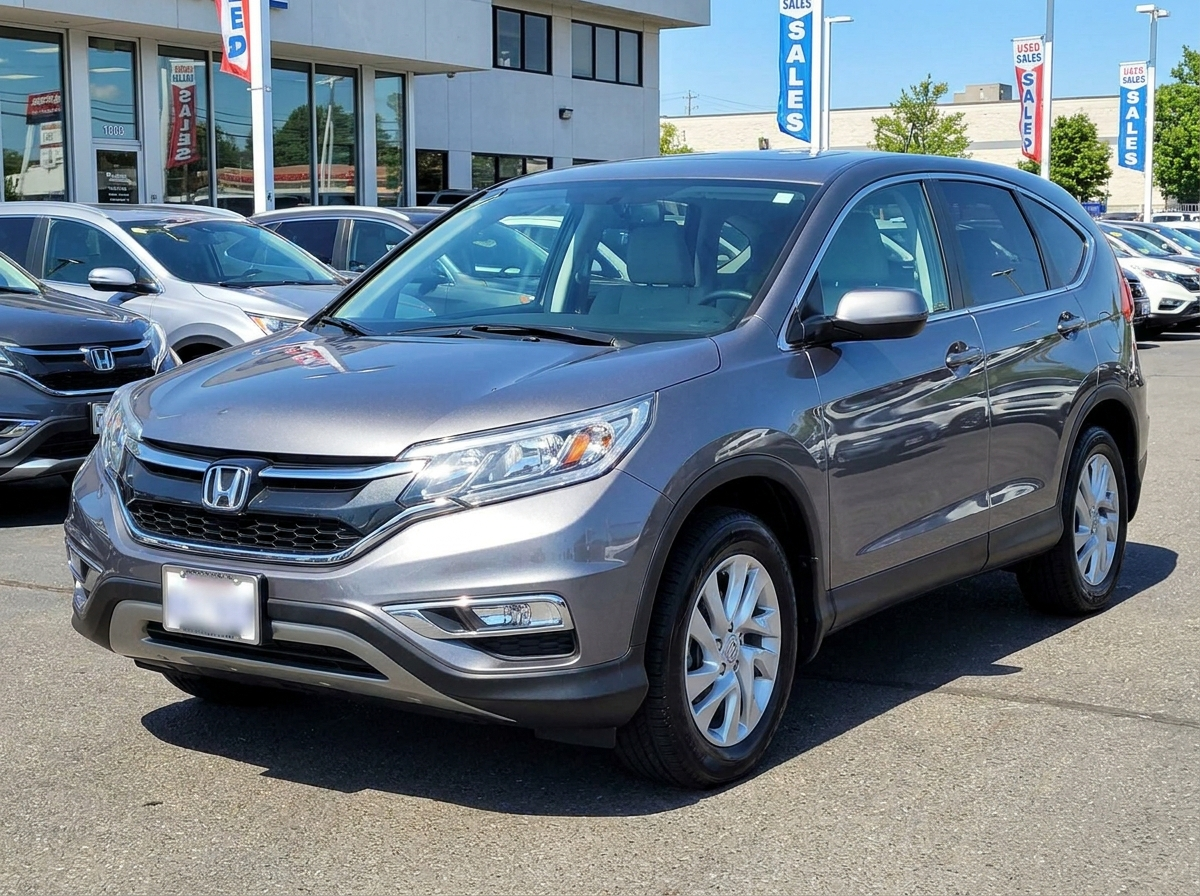
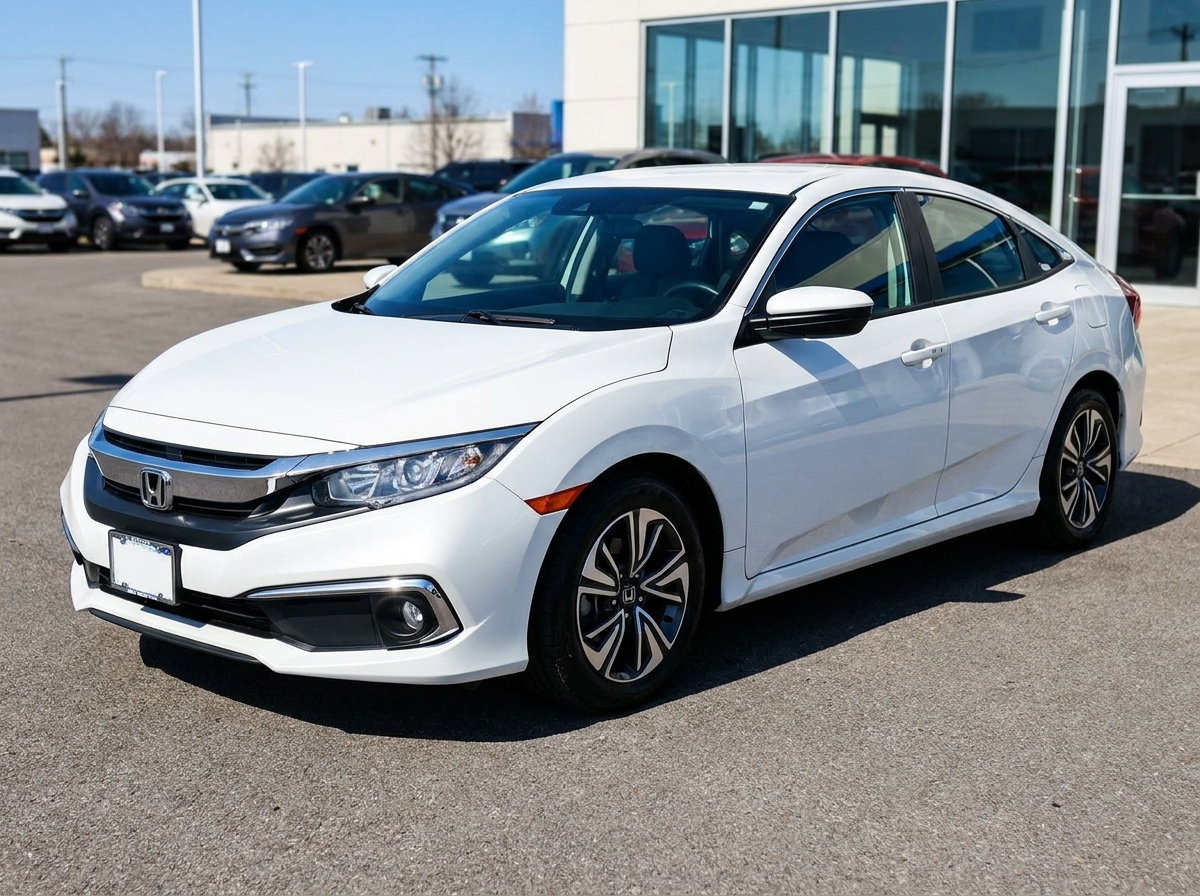
How to Flip Cars Profitably in 2026: A Data-Driven Guide
Quick answer
To flip cars profitably: learn your local resale values, buy below them, keep reconditioning tight, and compute max bid (resale − fees − repairs − tax − profit) before every purchase. The biggest mistake is anchoring resale to a national average instead of your local market.
In this article (9 sections)
- Why 2026 Is a Prime Year to Flip Cars
- Step 1: Sourcing -- Where to Find Profitable Deals
- Step 2: Valuation -- How to Price Accurately
- Step 3: The Buy -- Negotiation and Inspection
- Step 4: Repair Estimation -- Know Your Costs Before You Buy
- Step 5: Listing and Selling -- Maximize Your Sale Price
- Best Models to Flip in 2026
- Common Mistakes That Kill Profits
- The Bottom Line
The used car market in 2026 is one of the best environments for flipping cars in over a decade. Post-pandemic supply chain recovery has flooded the market with off-lease vehicles, new-car inventory has normalized, and wholesale prices have softened by 8-12% from their 2023 peaks. For anyone willing to do the research, the profit margins are real.
But here is the truth most "car flipping gurus" leave out: the difference between a profitable flipper and someone who loses money on every deal comes down to data. Not gut feelings, not vibes, not what your buddy told you at the auction. Data.
At CarFlipIQ, we have analyzed 2M+ private market listings across all 50 states and metro areas. We track price movements, seller behavior, days on market, and regional arbitrage opportunities in real time. This guide distills what we have learned from that data into a repeatable, step-by-step process.
LocalIQ™ market snapshot
What top flip candidates are asking right now
| Model | Listings | Median asking price |
|---|---|---|
| GMC Sierra 1500 | 523 | $29,995 |
| Chevrolet Silverado 1500 | 1,367 | $25,000 |
| Toyota Tacoma | 1,164 | $27,516 |
| Ford F-150 | 2,592 | $23,995 |
| Ram 1500 | 992 | $22,900 |
| Ford Mustang | 571 | $20,995 |
| Jeep Wrangler | 548 | $25,089 |
| Chevrolet 1500 | 539 | $20,900 |
LocalIQ™ asking-price median · 8,296 listings · updated every 6 hours. National, last 8 model years; asking price is your resale ceiling, not a promised sale price.
Why 2026 Is a Prime Year to Flip Cars
Three macro trends are creating a favorable environment for car flippers right now.
Inventory is up, prices are down. Wholesale prices at auction have dropped significantly from their pandemic highs. Off-lease vehicles from the 2022-2023 model years are hitting the market in volume, and private sellers who overpaid during the shortage are now listing at more realistic prices.
Rate-fatigued buyers want deals. With auto loan rates still elevated, buyers are turning away from dealerships and toward private-party deals on Facebook Marketplace, Craigslist, and OfferUp. That demand creates a ready audience for a well-priced flip.
Information asymmetry still exists. Most private sellers have no idea what their car is actually worth in their specific market. They look at national averages, pick a round number, and hope for the best. Flippers who understand local pricing can consistently buy below market and sell at fair value.
CarFlipIQ Arbitrage Alerts
Get notified when listings appear 15%+ below local market value. We scan listings regularly to surface underpriced vehicles in your target markets.
See live arbitrage deals →Step 1: Sourcing -- Where to Find Profitable Deals
The best flip starts with a great buy. Here are the primary channels, ranked by profit potential.
Facebook Marketplace
This is where the volume lives. Facebook Marketplace is the largest peer-to-peer vehicle marketplace in the US, and it is where most private sellers list first. The advantage for flippers is that many sellers are motivated -- they need cash, they are moving, or they simply want the car gone.
What makes Facebook Marketplace particularly powerful is the sheer density of listings. In our database, we track active listings across every major metro and state. That coverage lets you spot pricing patterns that are invisible to someone browsing one ZIP code at a time.
Pro tip: Focus on listings that have been up for 14+ days. Sellers who have not gotten offers in two weeks are far more willing to negotiate. Our data shows that listings priced within 5% of local market value sell in under 7 days on average, so anything sitting longer is likely overpriced or has a motivated seller who will take less.
Copart and IAAI (Insurance Auctions)
Insurance auctions are the power move for experienced flippers. Salvage and clean-title vehicles from Copart and IAAI can be purchased at 40-60% below retail, but the risk is real. You need to understand repair costs, title-washing laws in your state, and the total landed cost before bidding.
Our Copart tips guide breaks down the bidding strategy in detail, and our best auction arbitrage tools roundup covers the software stack that serious auction buyers use.
Private Sales, Estate Sales, and Mechanic Referrals
Do not overlook offline channels. Estate sales often produce vehicles at below-market prices because the heirs want a quick liquidation. Independent mechanics frequently know about customers who would rather sell than pay for an expensive repair. Building relationships with two or three local shops can produce a steady pipeline of leads.
Track underpriced listings across all 50 states.
Analyze 5 Cars FreeStep 2: Valuation -- How to Price Accurately
This is where most flippers go wrong. If your valuation is off, everything downstream falls apart.
Why KBB and National Averages Mislead You
Kelley Blue Book and similar tools give you a national average. That might be useful for a rough sanity check, but it tells you almost nothing about what a car is worth in your ZIP code, right now.
A 2019 Honda Civic in Phoenix might trade for $2,000-$3,000 less than the same car in Boston. A Ford F-150 in Texas is worth significantly more than one in Manhattan. Regional demand, climate, local economy, and even gas prices create pricing micro-markets that national tools completely miss.
We wrote an entire breakdown on why KBB can be inaccurate for flippers and what to use instead. The short version: you need real local listing data, not a national estimate.
ZIP-Level Market Data
The most accurate way to value a flip candidate is to look at real local asking and exit prices for comparable vehicles within a 25-50 mile radius. This is the core of what CarFlipIQ provides: real asking prices from real listings in real markets, updated daily.
For example, here is what a typical Honda Civic flip looks like based on our aggregated market data:
Example Flip: 2019 Honda Civic LX -- Charlotte, NC
That $2,900 margin is realistic and repeatable -- but only if your valuation was right. Overpay by $1,500 on the buy and that margin evaporates.
ZIP-Level Pricing Intelligence
See actual asking prices for any make, model, and year in your local market. Our data covers 2M+ listings across all 50 states so your comps are always fresh.
Check local values →Step 3: The Buy -- Negotiation and Inspection
You have found a candidate and your valuation says the numbers work. Now it is time to close the deal.
Negotiation Tactics That Work
Lead with data, not lowball offers. Showing a seller comparable listings in their area at lower prices is far more persuasive than throwing out a random low number. Print out or screenshot three to five comparable listings and bring them to the meeting.
Ask about motivation. "How soon are you looking to sell?" and "Are you buying something else?" reveal urgency. A seller trading up to a new car next week will accept less than someone casually testing the market.
Negotiate on total cost, not just price. If the seller will not budge on price, ask them to cover the cost of a pre-purchase inspection, include the spare tire and jack, or handle the title transfer fees.
What to Inspect
Even experienced flippers miss things. At minimum, check:
- Frame and subframe for rust, bends, or previous accident repair
- Fluid conditions -- transmission fluid color, oil level, coolant clarity
- Tire wear patterns -- uneven wear signals alignment or suspension issues
- OBD-II scan -- a $30 Bluetooth scanner can reveal stored codes
- Title history -- run the VIN through NMVTIS, not just Carfax
Red Flags That Kill a Deal
Walk away immediately if you find:
- Mismatched VIN plates (dashboard vs. door jamb vs. engine bay)
- Flood damage indicators (musty smell, water lines in trunk, corroded electronics)
- Structural damage visible in the trunk floor or behind bumper covers
- Seller cannot produce a clean title or the title has a lien
Step 4: Repair Estimation -- Know Your Costs Before You Buy
The flip margin lives or dies in the repair estimate. Here are common costs to budget for:
| Repair | Typical Cost Range |
|---|---|
| Full detail (interior + exterior) | $150 -- $300 |
| Brake pads and rotors (one axle) | $200 -- $400 |
| Tires (set of 4, mid-range) | $400 -- $600 |
| Timing belt/chain service | $500 -- $1,200 |
| AC compressor replacement | $600 -- $1,100 |
| Transmission fluid flush | $150 -- $250 |
| Minor body work (dent, scratch) | $200 -- $500 |
| Head gasket replacement | $1,200 -- $2,500 |
The golden rule: if estimated repairs exceed 30% of your target sell price, walk away. The risk-reward ratio flips against you, and unexpected issues always surface once you start wrenching.
For engine or transmission problems, the math almost never works on a sub-$15K vehicle. Those are best left to rebuilders with shop labor rates, not flippers paying retail for parts and labor.
Calculate your max bid before every purchase.
Try the Profit CalculatorStep 5: Listing and Selling -- Maximize Your Sale Price
You own the car, you have done the work, and now it is time to sell. Presentation and pricing strategy determine whether you sell in 5 days or 50.
Pricing Strategy
Price at market, not above it. Our data consistently shows that listings priced within 3-5% of local comparables sell 4x faster than those priced 10%+ above. Speed matters -- every day you hold a car, you carry insurance, depreciation, and opportunity cost.
Use odd pricing. $14,750 outperforms $15,000. Buyers search with price filters, and you want to appear in the "$10K-$15K" bracket, not get filtered out.
Photography That Sells
- Shoot in the morning or late afternoon for warm, even lighting
- Clean the car thoroughly before photographing (this should be obvious, but it is not)
- Take 15-20 photos minimum: all four corners, interior, dashboard, engine bay, tires, undercarriage
- Include a photo of the odometer and the title
- Highlight recent maintenance or new parts
Platform Selection
List on multiple platforms simultaneously. Facebook Marketplace has the most traffic, but Craigslist still pulls serious buyers for trucks and SUVs. OfferUp and Marketplace overlap heavily, but the incremental exposure costs you nothing.
For vehicles over $25K, consider also listing on Cars.com or AutoTrader. The listing fees eat into margin, but the buyer pool is more qualified.
Best Models to Flip in 2026
Not every car is worth flipping. Based on our data from 2M+ listings, these models consistently show the best combination of demand, margin, and sell-through speed.
Honda Civic (2016-2020)
The Civic is the workhorse of car flipping. High demand in every market, predictable pricing, and absurdly reliable mechanicals mean fewer surprises. Average margins in our data run $1,800-$3,200 per flip depending on trim and condition. View Honda Civic market data.
Toyota Camry (2017-2021)
Similar story to the Civic but in the midsize segment. Camrys sell quickly and hold value well, which means your buy price needs to be disciplined. The flip margin is slightly tighter -- typically $1,500-$2,800 -- but the sell-through time is among the fastest we track.
Ford F-150 (2015-2019)
Trucks remain the highest-margin flip category, especially in the Southeast and Midwest. An F-150 purchased at auction with cosmetic-only issues can yield $3,000-$5,000 in profit. The downside: higher purchase prices mean more capital at risk, and repair costs run steeper than sedans.
Average Flip Margins by Model (CarFlipIQ Data)
Check the Honda Civic flip score to see profitability metrics for your area.
Seller Intelligence
See how top flippers in your market are pricing and moving inventory. Our Seller Rank dashboard tracks 246K+ seller profiles so you can learn from the best.
Explore seller rankings →Common Mistakes That Kill Profits
After analyzing hundreds of thousands of listings and talking to flippers across the country, we see the same mistakes over and over.
1. Skipping the Valuation Step
"I know what it is worth" is the most expensive sentence in car flipping. You do not know what it is worth until you check local comps. Every single time.
2. Falling in Love With a Car
This is a business. The moment you start thinking "I might keep this one," your objectivity is gone. Buy with the numbers, not your heart.
3. Underestimating Repair Costs
Always add 20% to your repair estimate as a contingency buffer. If your mechanic says $600, budget $720. Surprises happen on every single car.
4. Holding Too Long
Days on market is your enemy. If a car has not sold in 14 days, your price is wrong. Drop it by 5% and move on. The carrying cost of holding inventory is real, even if it is invisible.
5. Ignoring Seasonality
Convertibles sell in spring. Trucks sell in fall. SUVs sell in winter. Sedans are year-round. Aligning your inventory to seasonal demand can mean the difference between a 5-day sale and a 30-day hold.
6. Using National Pricing Tools for Local Decisions
We keep coming back to this because it matters. National averages are not your market. Use ZIP-level pricing data or you are flying blind.
The Bottom Line
Car flipping in 2026 is not a get-rich-quick play. It is a repeatable, data-driven business that rewards discipline, research, and speed. The flippers who consistently profit are the ones who:
- Source below market through multiple channels
- Validate every deal with local comparable data
- Estimate repairs conservatively
- Price to sell fast, not to maximize on a single unit
- Track their numbers on every deal
The market conditions are favorable. The tools exist to give you a genuine edge. The question is whether you will do the work.
Start finding underpriced cars in your market
CarFlipIQ aggregates 2M+ listings across all 50 states. Get local pricing data, arbitrage alerts, and seller intelligence -- free to start.
Frequently Asked Questions
How do I start flipping cars profitably?
Learn your local resale values cold, buy below them, keep reconditioning tight, and compute max bid (resale minus fees, repairs, tax, profit) before every purchase. The winners measure local resale; the losers guess it.
What's the most common car flipping mistake?
Guessing the resale value off a national average instead of the local market. A $1,500 miss on resale turns a winner into a loss - and slow-selling cars trap your capital even when the margin looks fine.
How much money do I need to start flipping cars?
You can start in the sub-$10K range, where most independent flippers operate. The key isn't capital size - it's turning it fast, since annual return depends on how many times your money recycles per year.
How we get these numbers
Market figures come from LocalIQ™, CarFlipIQ's index of asking prices on local used-car listings. We report medians rather than averages, so a few outlier listings can't drag the number, and a model only appears once it has at least 10 listings behind it. Asking prices tell you what the market is asking, not what a car will sell for — treat them as your resale ceiling.
Check the resale before you bid
Look up any year, make and model against LocalIQ™ asking prices in your market. 5 free car analyses, no credit card.