Best Cars to Flip Under $10,000: Real Data on Sub-$10K Acquisition
Quick answer
The best cars to flip under $10,000 are reliable, high-demand models with low local days-on-market and cheap, predictable repairs. Sub-$10K is where most independent flippers operate ($1,000–$2,500 typical margin) — the key is fast turnover, since thin margins only pay off when capital recycles often.
In this article (6 sections)
The sub-$10,000 segment is where most flippers start — and where many stay. Capital requirements are low, financing buyers are abundant, and the inventory at Copart and IAAI is constant. The trick is picking models where the buyer pool absorbs branded titles, mid-mileage examples, and the cosmetic compromises that come with cheap inventory.
This guide focuses on cars you can typically acquire (auction + fees + reconditioning) under $7,000 and resell in the $8,500-$10,500 range — a sub-$10K retail flip with sustainable margin.
LocalIQ™ market snapshot
What top flip candidates are asking right now
| Model | Listings | Median asking price |
|---|---|---|
| GMC Sierra 1500 | 523 | $29,995 |
| Chevrolet Silverado 1500 | 1,367 | $25,000 |
| Toyota Tacoma | 1,164 | $27,516 |
| Ford F-150 | 2,592 | $23,995 |
| Ram 1500 | 992 | $22,900 |
| Ford Mustang | 571 | $20,995 |
| Jeep Wrangler | 548 | $25,089 |
| Chevrolet 1500 | 539 | $20,900 |
LocalIQ™ asking-price median · 8,296 listings · updated every 6 hours. National, last 8 model years; asking price is your resale ceiling, not a promised sale price.
What Sub-$10K Buyers Want
Three buyer-profile generalizations:
1. They need transportation, not aspiration
Sub-$10K buyers are almost never status-buyers. They want reliable, cheap to insure, cheap to fuel, and easy to finance through credit unions or buy-here-pay-here. Aspirational brands (BMW, Mercedes, Audi) actively underperform in this segment.
2. They tolerate higher mileage if mechanically sound
A 130,000-mile Toyota with documented maintenance sells faster than a 75,000-mile Chrysler with no service records. Mechanical reputation matters more than odometer.
3. They accept branded titles for the right price
This is the segment where rebuilt titles move. Buyers paying cash or financing through subprime channels are less constrained by clean-title requirements. Discount the brand by 15-25% and the cars move.
The Sub-$10K Flip List
Ranked by reliability of returns:
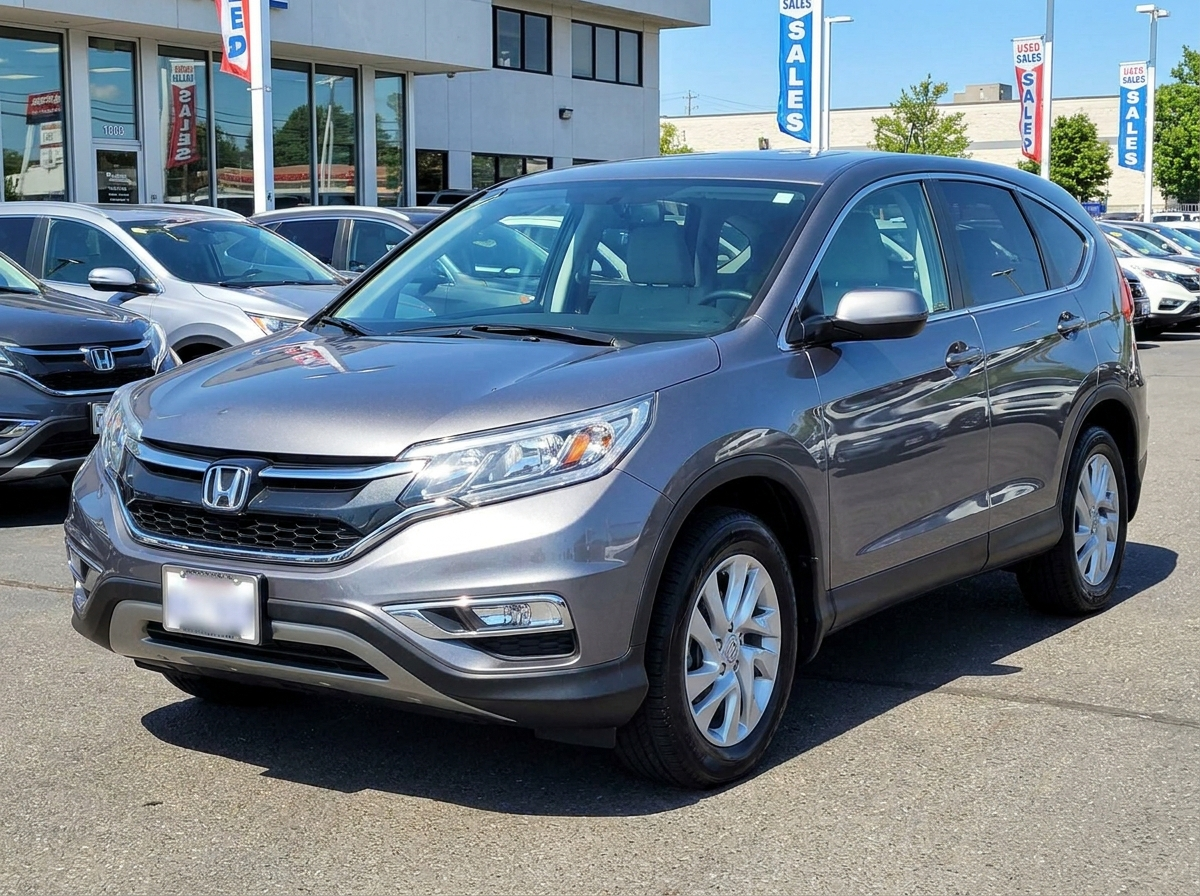
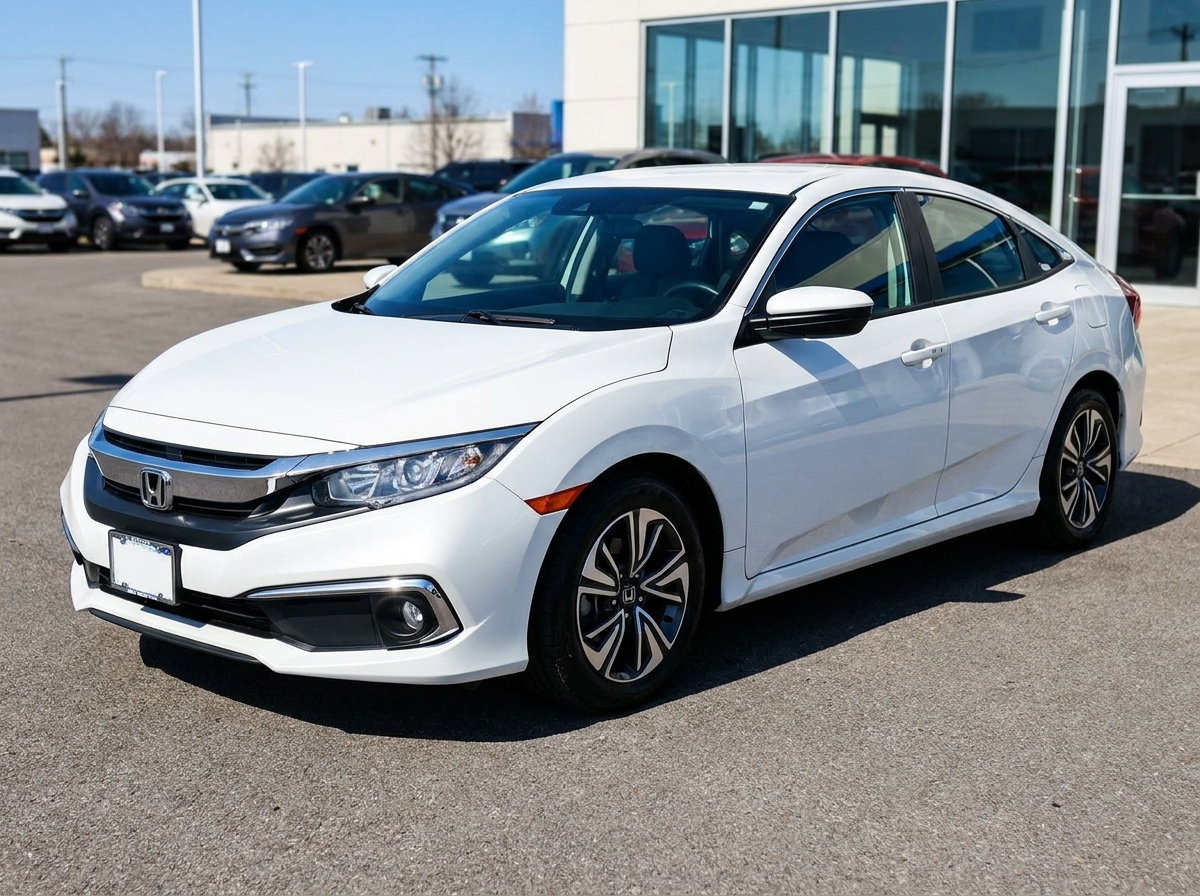
1. Honda Civic (2012-2017)
The undefeated champion of sub-$10K flips. Massive volume, parts everywhere, first-time-buyer appetite is constant.
- Auction acquisition: $3,000-$5,000 (light damage) at Copart/IAAI
- Reconditioning: $500-$1,200 typical
- Landed cost: $4,500-$7,000
- Asking price: $8,500-$9,800
- Margin: $1,500-$2,500
- DOM: 8-15 days in most markets
Best variant: 9th-gen (2012-2015) base or LX. Avoid Si and HF for this segment.
2. Toyota Corolla (2014-2018)
Reliability reputation moves these fast. Slightly tighter margins than Civic but faster turn.
- Auction acquisition: $3,500-$5,500
- Reconditioning: $400-$1,000
- Landed cost: $4,500-$6,800
- Asking price: $8,500-$9,800
- Margin: $1,700-$2,500
- DOM: 10-16 days
3. Hyundai Sonata (2015-2019)
Auction prices are aggressive (Hyundai totals cars at lower thresholds than Japanese brands). Retail demand is healthy in budget markets.
- Auction acquisition: $2,500-$4,500
- Reconditioning: $500-$1,000
- Landed cost: $3,500-$5,800
- Asking price: $7,500-$9,500
- Margin: $1,700-$3,500
- DOM: 14-22 days
Common variant: 2.4L base or SE trims. Avoid 2.0T variants with timing chain concerns.
4. Kia Optima (2014-2018)
Sister car to the Sonata. Similar economics with slightly weaker resale brand recognition.
- Auction acquisition: $2,500-$4,500
- Reconditioning: $500-$1,200
- Landed cost: $3,500-$6,000
- Asking price: $7,200-$9,400
- Margin: $1,500-$3,400
- DOM: 16-25 days
5. Ford Fusion (2013-2018)
The domestic sedan that actually flips. Strong volume at auction, decent retail demand in working-class markets.
- Auction acquisition: $2,000-$4,000
- Reconditioning: $500-$1,200
- Landed cost: $3,000-$5,500
- Asking price: $7,000-$9,200
- Margin: $1,800-$3,700
- DOM: 18-28 days
Avoid: 2.0T with timing chain issues; SE Hybrid with battery concerns outside warranty.
6. Chevrolet Cruze (2014-2018)
Volume play. Margins are modest but inventory is constant.
- Auction acquisition: $2,000-$3,500
- Reconditioning: $400-$1,000
- Landed cost: $2,800-$5,000
- Asking price: $6,500-$8,500
- Margin: $1,500-$2,800
- DOM: 20-30 days
Avoid: 1.4T with PCV system issues outside warranty.
7. Nissan Altima (2013-2018)
CVT transmission reputation hurts asking prices but acquisition is correspondingly cheap.
- Auction acquisition: $2,500-$4,500
- Reconditioning: $500-$1,500
- Landed cost: $3,500-$6,500
- Asking price: $7,000-$9,200
- Margin: $1,500-$2,700
- DOM: 20-30 days
Verify CVT health (no whine, no slip) before bidding. A CVT failure mid-flip wipes out three deals.
8. Toyota Camry (2012-2017)
Older Camrys live in this segment. Tighter margins than newer flips but extremely fast turnover.
- Auction acquisition: $4,000-$6,500
- Reconditioning: $500-$1,200
- Landed cost: $5,000-$8,000
- Asking price: $8,500-$10,000
- Margin: $1,500-$2,500
- DOM: 8-14 days
9. Subaru Outback (2010-2014)
Regional play (Pacific Northwest, Mountain West, New England). Sub-$10K Outbacks are wagons in their target markets.
- Auction acquisition: $3,000-$5,000
- Reconditioning: $700-$1,800 (head gasket risk on this era)
- Landed cost: $4,500-$7,500
- Asking price: $7,500-$9,800
- Margin: $1,500-$3,000
- DOM: 12-22 days (in target regions)
Verify head gaskets before bidding. EJ25 engine in this era is prone.
10. Mazda3 (2014-2018)
Light volume but loyal buyer base. Better margins than the competition, slightly slower turnover.
- Auction acquisition: $3,000-$5,000
- Reconditioning: $500-$1,200
- Landed cost: $4,000-$6,800
- Asking price: $7,500-$9,500
- Margin: $1,500-$2,700
- DOM: 16-26 days
Check live margins on any sub-$10K model in your ZIP.
Analyze 5 Cars FreeWhat to Avoid Under $10K
Specific categories that consistently disappoint at this price band:
Older luxury (BMW, Mercedes, Audi)
Sub-$10K luxury attracts buyers who cannot afford the upkeep. They negotiate hard, often walk before close, sometimes return after one repair shock. Margin per car looks great until the headaches compound.
Older European turbos
VW 1.8T and 2.0T from 2010-2015 have known issues. Repair costs are 2x mainstream alternatives. Buyer pool is too small to absorb the brand discount.
Cars with timing chain or transmission red flags
The Hyundai 2.0T, Cruze 1.4T, Nissan CVT-era models. Even at deep discounts, buyer skepticism compresses your asking price further than the discount you got at auction.
Diesel passenger vehicles (most)
Emissions complications, limited buyer pool, expensive repair. Skip unless you have a specific buyer relationship.
Reconditioning Discipline for Sub-$10K
The sub-$10K flip dies if you over-recondition. A car worth $8,500 retail does not benefit from $2,500 in repairs. The math:
- $5,000 acquisition + $2,500 recon = $7,500 cost
- Asking $8,500
- Margin: $1,000 (before sales costs)
Now subtract listing time, negotiation give, sales taxes. You are probably at $400-$600 actual profit. Not worth the work.
Recondition only the things buyers see and care about:
- Clean exterior (wash, clay bar, mild polish)
- Clean interior (vacuum, glass, mild conditioner)
- Working everything (lights, AC, infotainment basics)
- No warning lights on dash
- Fresh oil change
Skip:
- Paint touch-up beyond major chips
- Body shop work beyond replacement of damaged panels
- Interior reupholstery
- Premium detailing
If the car needs serious paint or body work to look sellable, it is the wrong sub-$10K candidate. Pass.
Where to Source
Three channels for sub-$10K inventory:
Auctions (Copart, IAAI)
Best for newer-model years (2014+) at light-damage prices. Highest velocity if you can manage the rebuild process. Use the Copart Fee Calculator to model true cost.
Private acquisition (FB Marketplace, Craigslist)
Best for clean-title older inventory (2010-2015). Lower margins but no rebuild cycle. Use CarFlipIQ to identify underpriced listings in your ZIP.
Dealer trades / fleet returns
Volume operators only. Requires relationships with local dealers or fleet liquidators.
Bottom Line
Sub-$10K flips work when you target the right models, recondition with discipline, and price for velocity over per-car maximum margin. The list is short on purpose — Civic, Corolla, Sonata, Optima, Fusion, Cruze, Altima, Camry, Outback, Mazda3. These have the demand depth and price-tolerance for the segment.
Margins are tighter than $15K+ flips but velocity compensates. Two sub-$10K flips per month at $2,000 profit each beats one $15K flip per quarter at $3,500.
Use CarFlipIQ local comps to verify your market for any of these picks before bidding.
Sub-$10K margins live in the local data.
CarFlipIQ tracks sub-$10K listings across all 50 states. Real DOM, real margins. Free to start.
Frequently Asked Questions
What are the best cars to flip under $10,000?
Reliable high-demand compacts and sedans with low days-on-market and cheap, predictable repairs. The exact winners shift by region - check live local margin and sell-speed before committing.
Can you actually profit flipping cars under $10K?
Yes - sub-$10K is where most independent flippers operate, with $1,000-$2,500 typical margins. The key is fast turnover, because thin absolute margins only pay off when capital recycles many times a year.
What should I avoid in the under-$10K range?
Cars with expensive failure-prone components, salvage titles you can't repair cheaply, and models that sit too long locally. A low buy price means nothing if the car won't move.
How we get these numbers
Market figures come from LocalIQ™, CarFlipIQ's index of asking prices on local used-car listings. We report medians rather than averages, so a few outlier listings can't drag the number, and a model only appears once it has at least 10 listings behind it. Asking prices tell you what the market is asking, not what a car will sell for — treat them as your resale ceiling.
Check the resale before you bid
Look up any year, make and model against LocalIQ™ asking prices in your market. 5 free car analyses, no credit card.