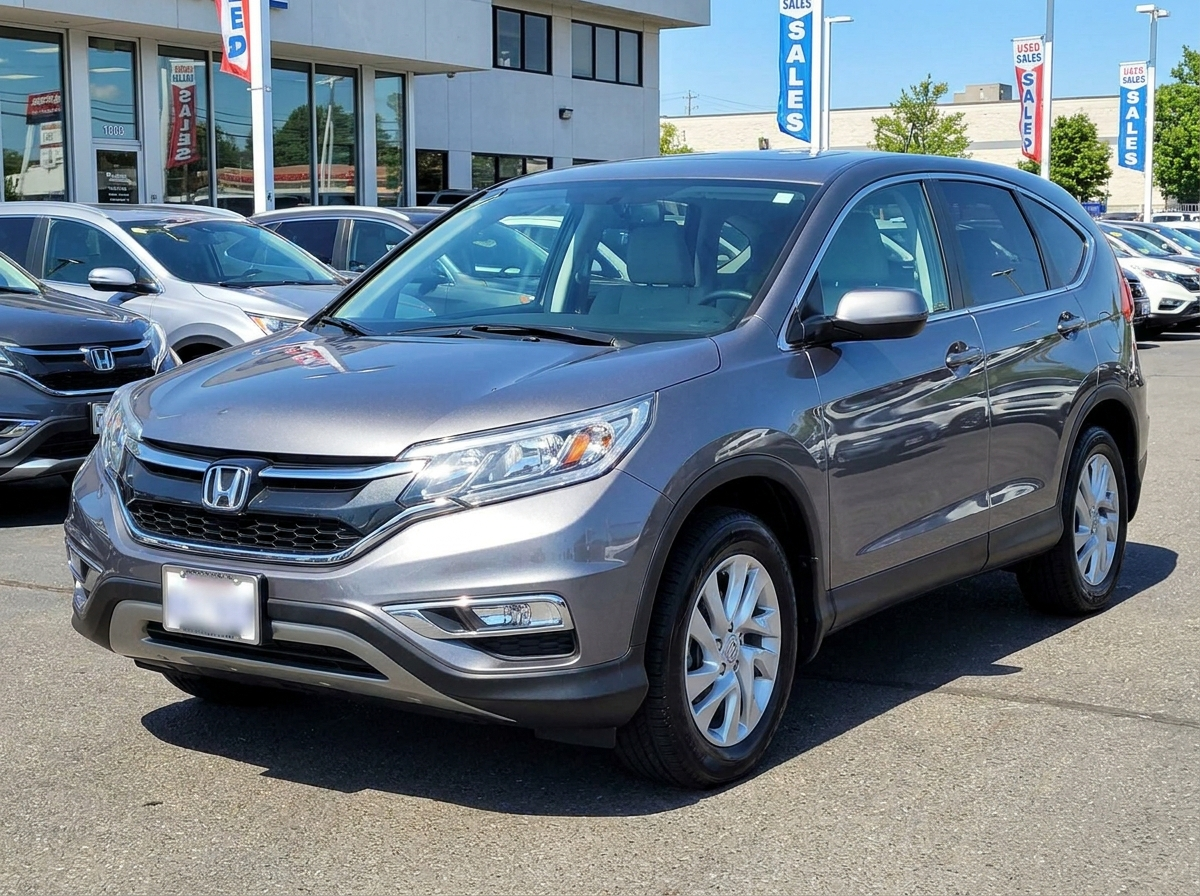
Copart Fees 2026: A $5,000 Bid Really Costs $6,059

Quick answer
Copart fees add roughly 20% on top of your winning bid on a typical car — the tiered buyer fee (largest), an internet bid fee capped at $279, a $95 gate fee, $15 environmental fee, and ~$20 title fee. A $5,000 bid costs about $6,059 before transport and state sales tax.
In this article (9 sections)
- Copart Buyer Fee Schedule 2026 (Quick Reference)
- The Six Fees Copart Charges on Every Winning Bid
- Dollar Examples at Common Bid Levels
- Fees Copart Does NOT Charge (But You Will Pay)
- How to Estimate Your True Cost Before Bidding
- Are Copart Fees Negotiable?
- How Copart Fees Compare to IAAI
- Common Mistakes That Inflate Copart Fees
- Bottom Line
If you have never bid on Copart, the fees feel hidden. A $5,000 winning bid does not cost $5,000 — it costs around $6,000 once Copart finishes adding line items. This guide breaks down every fee Copart charges in 2026, what each one is for, and how the total changes as your bid moves up the tier ladder.
For an interactive version, use the free Copart Fee Calculator.
Skip the math — get your exact all-in cost.
Open the Copart Fee CalculatorLocalIQ™ market snapshot
What top flip candidates are asking right now
| Model | Listings | Median asking price |
|---|---|---|
| GMC Sierra 1500 | 523 | $29,995 |
| Chevrolet Silverado 1500 | 1,367 | $25,000 |
| Toyota Tacoma | 1,164 | $27,516 |
| Ford F-150 | 2,592 | $23,995 |
| Ram 1500 | 992 | $22,900 |
| Ford Mustang | 571 | $20,995 |
| Jeep Wrangler | 548 | $25,089 |
| Chevrolet 1500 | 539 | $20,900 |
LocalIQ™ asking-price median · 8,296 listings · updated every 6 hours. National, last 8 model years; asking price is your resale ceiling, not a promised sale price.
Copart Buyer Fee Schedule 2026 (Quick Reference)
This is the at-a-glance 2026 Copart buyer fee schedule for a standard (non-Premier) online bidder. The buyer fee is tiered as a flat amount up to roughly $10,000, then becomes 7.5% of the winning bid. The internet bid fee is charged on top and caps at $279.
| Winning bid | Buyer fee | Internet bid fee | Gate + Env + Title | Total add-on | All-in cost |
|---|---|---|---|---|---|
| $1,000 | $180 | $79 | $130 | $389 | $1,389 |
| $2,500 | $400 | $129 | $130 | $659 | $3,159 |
| $5,000 | $750 | $179 | $130 | $1,059 | $6,059 |
| $8,000 | $1,000 | $279 | $130 | $1,409 | $9,409 |
| $10,000 | $1,000 | $279 | $130 | $1,409 | $11,409 |
| $15,000 | $1,125 (7.5%) | $279 | $130 | $1,534 | $16,534 |
| $25,000 | $1,875 (7.5%) | $279 | $130 | $2,284 | $27,284 |
Gate ($95) + environmental ($15) + title (~$20) = ~$130 fixed. Storage, transport, and state sales tax are extra (covered below). Premier members pay a reduced buyer-fee schedule. Always confirm the live fee on the lot page before bidding — run your exact bid through the calculator.
The Six Fees Copart Charges on Every Winning Bid
Copart's pricing has six common components. Some are flat. Some are tiered. The tiered ones are where most buyers get surprised.
1. Buyer Fee (the big one)
This is the largest single line item on most invoices. It is tiered — a flat dollar amount per bid range, rising rapidly until about $10,000, at which point it transitions to 7.5% of the winning bid.
Examples for a Standard / Basic member:
- $500 bid: $80 buyer fee
- $1,500 bid: $260 buyer fee
- $5,000 bid: $750 buyer fee
- $8,000 bid: $1,000 buyer fee
- $15,000 bid: $1,125 buyer fee (7.5%)
- $25,000 bid: $1,875 buyer fee (7.5%)
Premier members pay a reduced version of this schedule, but Premier eligibility is restricted and not relevant to most retail bidders.
2. Internet Bid Fee
Charged on top of the buyer fee for anyone bidding online (which is essentially everyone now). Also tiered:
- $100-$499: $39
- $500-$999: $59
- $1,000-$1,499: $79
- $1,500-$1,999: $99
- $2,000-$3,999: $129
- $4,000-$5,999: $179
- $6,000-$7,999: $229
- $8,000+: $279
The fee caps at $279, so for high-value bids the internet bid fee becomes a smaller share of total fees.
3. Gate Fee
$95 flat. Charged when you pick the vehicle up from the Copart yard. Applies to every winning bid regardless of price.
4. Environmental Fee
$15 flat. Federally and state-mandated for hazardous materials handling on auction vehicles.
5. Title / Documentation Fee
Varies by state. Typically around $20. Some states with more complex title processing run higher.
6. Storage Fee
First three days after sale are free. After that, expect roughly $30/day, though it varies by yard and lot type. Schedule pickup within five business days or storage fees will eat into your margin fast.
Dollar Examples at Common Bid Levels
The total fee load shifts dramatically as the bid grows. Here is what a Copart winning bid actually costs out the door (before transport and sales tax):
$1,000 winning bid
- Buyer fee: $180
- Internet bid fee: $79
- Gate: $95
- Environmental: $15
- Title: $20
- Total fees: $389
- Total Copart cost: $1,389
Fees as a percentage of the bid: 38.9%. This is why sub-$1,000 Copart cars rarely pencil out unless you have a specific resale path.
$5,000 winning bid
- Buyer fee: $750
- Internet bid fee: $179
- Gate: $95
- Environmental: $15
- Title: $20
- Total fees: $1,059
- Total Copart cost: $6,059
Fees as a percentage of the bid: 21.2%. This is the sweet spot for most retail Copart buyers — fees are meaningful but manageable.
$10,000 winning bid
- Buyer fee: $1,000
- Internet bid fee: $279
- Gate: $95
- Environmental: $15
- Title: $20
- Total fees: $1,409
- Total Copart cost: $11,409
Fees as a percentage of the bid: 14.1%. The buyer fee tier flattens out before transitioning to percentage-based.
$25,000 winning bid
- Buyer fee: $1,875 (7.5%)
- Internet bid fee: $279
- Gate: $95
- Environmental: $15
- Title: $20
- Total fees: $2,284
- Total Copart cost: $27,284
Fees as a percentage of the bid: 9.1%. Above $10K, Copart fees scale more efficiently and become a smaller share of total cost.
Fees Copart Does NOT Charge (But You Will Pay)
Buyers who only think about Copart's invoice miss the rest of the cost stack:
- Transport from auction to your location. Typically $300-$1,500 depending on distance. Open carrier is cheaper than enclosed. See how to estimate transport cost.
- State sales tax on the purchase price. Copart does not collect this. You pay it when you register the car. Rates range from 0% (NH, MT, OR, DE, AK) to 7.25% (CA). See the vehicle sales tax calculator for state-specific rates.
- Title transfer at your DMV. Usually $20-$100.
- Repairs and reconditioning. Most Copart cars need work. Budget realistically.
- Insurance for the trip home and at your storage location.
A $5,000 Copart bid often turns into $8,000-$9,000 all-in by the time the car is reconditioned and titled in your name.
See it on the lot page
The CarFlipIQ extension drops a live pricing card right on the Copart, IAAI & Manheim lot page — local resale, max bid, and profit, without leaving the auction.
How to Estimate Your True Cost Before Bidding
The single biggest mistake new Copart buyers make is bidding without modeling the full cost. The number to anchor on is not the winning bid — it is the landed cost, defined as:
Landed cost = Winning bid + all Copart fees + transport + sales tax + title transfer + reconditioning budget
If your landed cost exceeds your realistic resale price minus your target profit, you are losing money. Use the Copart Fee Calculator in "Max safe bid" mode to solve for the bid ceiling that hits your profit target.
Calculate Copart fees and max safe bid in one tool.
Open the calculatorAre Copart Fees Negotiable?
No. The buyer fee schedule, internet bid fee, gate fee, and environmental fee are fixed at the time of sale. Storage fees can sometimes be waived if you can prove the delay was outside your control, but do not count on it.
Premier membership reduces the buyer fee tier, but Premier requires either a Copart-licensed dealer registration or a substantial transaction history. Most retail bidders will not qualify.
How Copart Fees Compare to IAAI
IAAI (Insurance Auto Auctions) uses a similar tiered structure but with different breakpoints:
- IAAI's buyer fee tiers are slightly lower than Copart's at most bid levels.
- IAAI charges a Service Fee (~$79) instead of Copart's Gate Fee (~$95).
- IAAI's internet bid fee caps at $139 vs Copart's $279.
For a head-to-head, see Copart vs IAAI. For an IAAI-specific calculator, use the IAAI Fee Calculator.
Common Mistakes That Inflate Copart Fees
Three avoidable fee inflations we see constantly:
- Leaving the car at the yard too long. Storage at $30/day compounds fast. A two-week delay adds over $300 in pure waste.
- Bidding from the wrong account type. Public ("Guest") buyers pay surcharges that licensed dealers do not. If you flip more than a few cars a year, the dealer license pays for itself quickly. See flipping without a dealer license for the trade-off.
- Ignoring the title-state mismatch. Buying a car at a Copart yard in one state and registering it in another can trigger title reissue fees. Plan around your home state's branded-title acceptance rules before you bid.
Bottom Line
In 2026, Copart fees add roughly 10%-40% to your winning bid depending on where in the tier ladder you land. The fees themselves are deterministic — you can model them exactly before you bid. The variable that wrecks margin is what happens after: transport, tax, reconditioning, and resale velocity.
Calculate fees with the Copart Fee Calculator. Estimate your resale ceiling with CarFlipIQ's local market data so the math works on the way out, not just on the way in.
See what cars actually sell for in your market.
CarFlipIQ tracks 2M+ listings analyzed across all 50 states. Get free local comps before your next bid.
Frequently Asked Questions
How much are Copart fees in 2026?
On a typical car, roughly 20% on top of the winning bid once the buyer fee, internet bid fee, gate, environmental, and title fees stack up. The buyer fee is tiered, so the percentage is higher on cheap lots.
What is the Copart buyer fee?
A sliding-scale fee based on your winning bid - it climbs in tiers as the bid rises. It's the largest single fee on most invoices. Use the Copart Fee Calculator to see the exact amount for your bid.
Are Copart fees worth it for flipping?
They can be, if you price them in. The mistake is treating the hammer price as your cost - add ~20% in fees plus transport and tax, then check there's still margin against local resale before you bid.
How we get these numbers
Market figures come from LocalIQ™, CarFlipIQ's index of asking prices on local used-car listings. We report medians rather than averages, so a few outlier listings can't drag the number, and a model only appears once it has at least 10 listings behind it. Asking prices tell you what the market is asking, not what a car will sell for — treat them as your resale ceiling.
Copart fees + local resale prices by city
Check the resale before you bid
Look up any year, make and model against LocalIQ™ asking prices in your market. 5 free car analyses, no credit card.